What Happens During the Water Well Drilling Process? A Step-by-Step Guide
Installing a private well involves more than drilling a hole into the ground. The water well drilling process includes evaluating the property, obtaining permits, drilling through underground formations, installing the well structure, and installing the system to deliver water safely. Understanding these steps helps South Jersey homeowners know what to expect when installing a new water well.
For properties in South Jersey, working with an experienced local well driller is particularly important because groundwater conditions, soil types, and aquifer depths can vary by location. Here is how the process works, from initial planning to a completed water supply.
🎯 Key Takeaways
- Before drilling: property evaluation plus NJDEP, county and sometimes township permits.
- 8 construction steps: site prep, borehole, finding the aquifer, casing and screen, grouting, development and disinfection, yield test and pump, final checks.
- South Jersey wells need a well screen, and a good well should produce no sand.
- Most residential wells take one to two days on site once permits are in hand.
- Test the water at a certified NJ lab before drinking from a new well.
In This Guide
- What Is the Water Well Drilling Process?
- What Happens Before Drilling a Water Well Begins?
- How Does the Water Well Drilling Process Work Step by Step?
- How Long Does the Water Well Drilling Process Take?
- What Happens After a Water Well Is Drilled?
- Why Does Experience Matter When Installing a New Water Well?
- FAQs
What Is the Water Well Drilling Process?
The water well drilling process is the series of steps used to access underground groundwater and create a reliable water supply for a residential or commercial property. A drilling rig creates a borehole that reaches a water-bearing formation called an aquifer, while casing, sealing, testing, and pump installation help turn that opening into a functional well system.
The exact construction method and well depth depend on local geology, groundwater conditions, and the property's water requirements.
What Happens Before Drilling a Water Well Begins?
Before drilling starts, we evaluate the property and determine the appropriate location and installation requirements. Proper planning helps avoid unnecessary complications and ensures the new well is designed around the property's needs.
How Is the Property Evaluated for a New Well?
The first step involves evaluating the property, available drilling access, surrounding land conditions, and nearby potential contamination sources. Local geological information, records from existing wells and expert local knowledge also help estimate groundwater depth and identify suitable drilling locations.
In South Jersey, knowledge of local aquifers and soil conditions is especially valuable. Robbins Water Service has developed extensive regional experience through five generations of well drilling since 1910.
Are Permits Required Before Drilling a Water Well?
Yes. New Jersey requires the appropriate well permits before construction begins. These include an NJDEP permit, a county permit, and sometimes a township permit. The project must also follow applicable state well construction and licensing requirements.
Robbins Water Service handles permits and approvals in-house, allowing property owners to work with one experienced team throughout the installation.
How Do You Choose the Right Well Drilling Contractor?
Choosing a qualified well driller is essential for proper well construction. Homeowners should consider licensing, local experience, equipment, installation practices, and the driller's approach to water quality and long-term service.
You can also read our guide on how to choose a well driller in New Jersey to understand what questions to ask before hiring a contractor.
How Does the Water Well Drilling Process Work Step by Step?
Once the property has been evaluated and the necessary approvals are secured, the actual well construction can begin. Each stage contributes to creating a properly constructed well that can supply groundwater to the property.
Step 1: How Is the Drilling Site Prepared?
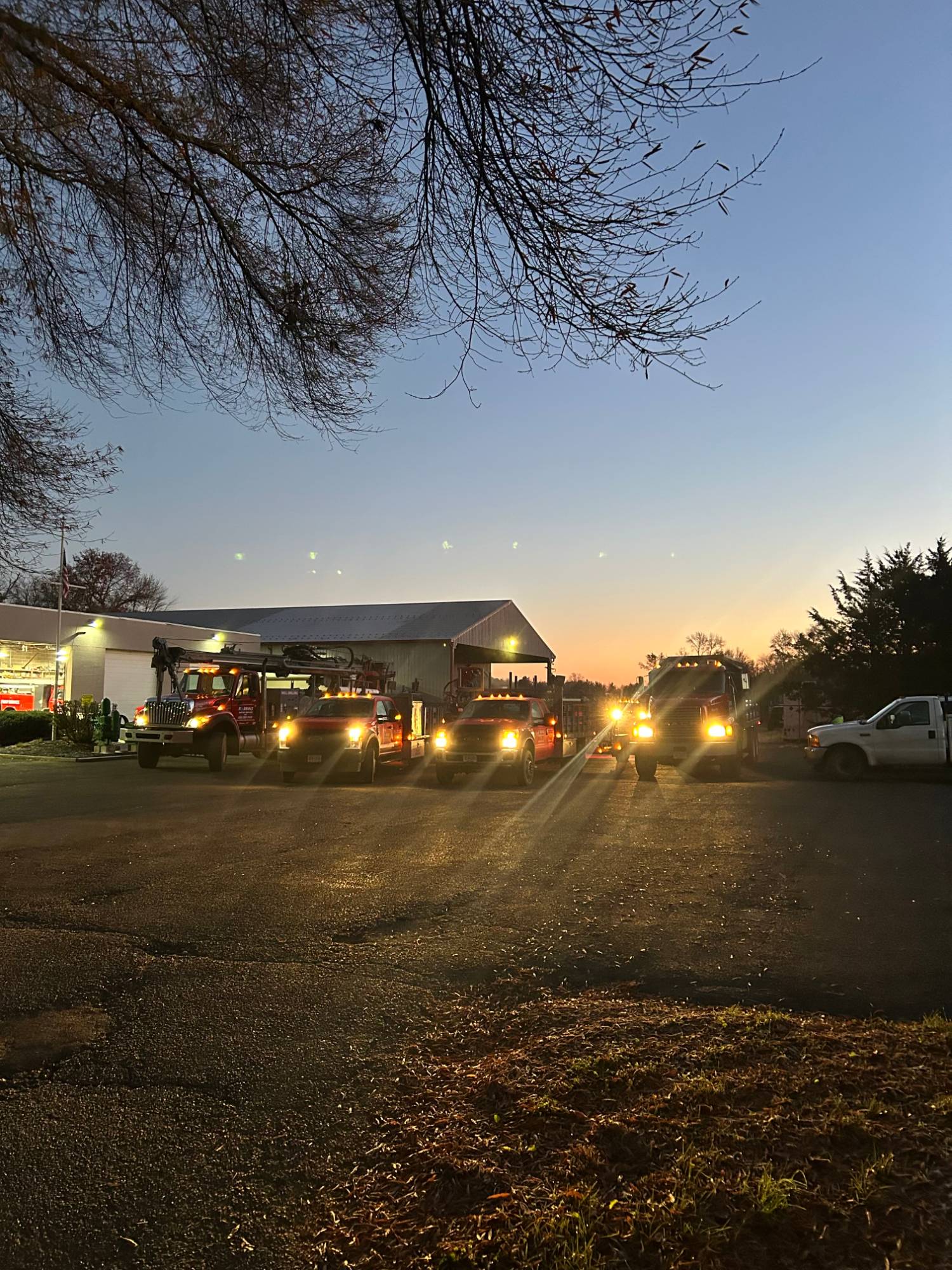
The drilling team prepares the selected area and positions the drilling rig. Equipment is arranged to provide safe access to the drilling location while managing drilling materials and site conditions.
We use modern drilling equipment and specialized accessories designed to keep work areas cleaner, reduce environmental impact, and maintain safer working conditions.
Step 2: How Is the Borehole Drilled?
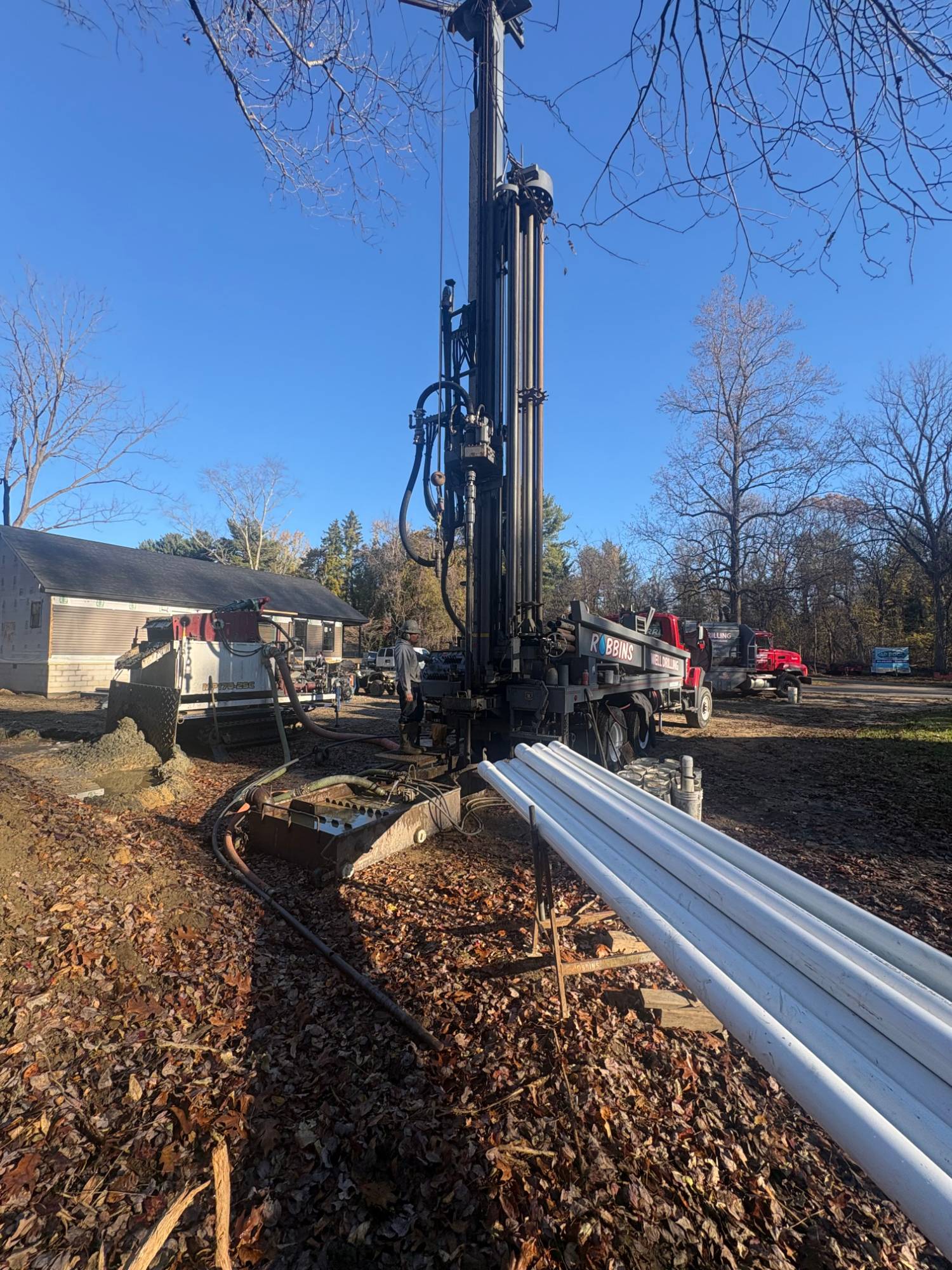
The drill rig uses specialized equipment to drill through soil, sand, rock, and any other underground formations that may be encountered. As drilling progresses, the driller observes and logs the materials, including color, type, grain size and organic content, while also monitoring borehole stability and flow.
Depending on the geology and drilling method, drilling fluids or compressed air will be used to help remove cuttings from the hole. The objective is to reach a suitable water-bearing formation that can provide enough groundwater for the property's intended use.
Step 3: How Is Groundwater Located and Well Depth Determined?
As drilling continues, we evaluate underground formations and identify water-bearing zones by examining the soil type and grain size. However, reaching groundwater does not automatically mean the well can supply enough water, because aquifer yield changes with the grain size of the formation.
The final depth depends on local aquifer conditions, geological formations, and expected water demand. South Jersey properties can have different well depths even within the same general area, making local geological experience important when planning an installation.
Step 4: How Are Well Casing and Screens Installed?
After the borehole reaches the appropriate depth, the well casing is installed to support the well structure and help prevent surrounding material from entering the water supply. Our guide to steel vs PVC well casing explains how the material and depth are chosen.
In South Jersey we install a well screen on every well to let groundwater in while limiting the movement of sand and sediment. A good well should produce no sand. If a well is producing sand, the well system has an issue or the well itself has failed.
Step 5: How Is the Well Sealed to Prevent Contamination?
The space between the well casing and the surrounding borehole is called the annular space. This area must be properly sealed using suitable materials, such as cement or bentonite grout, according to applicable construction requirements.
Proper grouting helps prevent surface water, bacteria, and other contaminants from moving downward along the outside of the casing.
We believe complete well grouting is an essential part of our well construction approach. This protection helps support the long-term quality of the groundwater supply.
Step 6: How Is a Newly Drilled Well Developed and Disinfected?
Well development removes fine sediment, drilling residue, and other loose materials left inside the well after construction. Techniques such as pumping, flushing, or surging may be used depending on the well design and geological conditions.
Once development is complete, the well also needs appropriate disinfection before being placed into service. We treat proper development and disinfection as important steps in preparing a newly drilled well.
Step 7: How Is Well Yield Tested and the Pump Installed?
A well yield test helps determine how much water the well can provide over time. We use it to evaluate the static water level, pumping water level, drawdown, and recovery to understand the well's performance.
Once the system requirements are established, the appropriate pump can be selected and installed. A submersible pump, for example, moves groundwater through the well system and toward the property's plumbing.
Robbins Water Service also installs submersible pumps, pressure tanks, variable-speed pumps, and new well hookups. Learn more about our well pump and tank services, or see how a well water system works once it's running.
Step 8: How Is the Well Completed and Water Quality Checked?
The final stage involves completing the wellhead, checking the installed equipment, and preparing the system for regular operation.
Water quality is another important consideration. Newly installed wells should be appropriately disinfected and tested to identify potential contaminants before the water is used for drinking.
We recommend certified New Jersey water testing laboratories for dependable testing. If treatment is needed, our water treatment services address concerns such as bacteria, iron, hardness, acidic water and many other contaminants.
How Long Does the Water Well Drilling Process Take?
The time required depends on well depth, geological conditions, property access, and permit approvals. In our experience, most residential well installations take approximately one to two days once on site. Deeper wells or more complex projects may require additional time.
The complete project may take longer because planning, approvals, scheduling, pump installation, and other finishing work are also involved.
What Happens After a Water Well Is Drilled?
After construction, the well system must be checked to ensure the pump, pressure tank, and water connections operate correctly. Water quality testing helps determine whether the groundwater is suitable for its intended use.
Property owners should also keep their well construction records and testing reports and arrange periodic water testing. Regular inspections and appropriate maintenance can help identify potential problems before they affect the water supply.
If you experience changes in water pressure, unusual water quality, or reduced flow, professional inspection may be necessary.
Why Does Experience Matter When Installing a New Water Well?
A properly completed water well requires careful planning, suitable drilling equipment, correct construction, and appropriate testing. Every stage contributes to creating a dependable groundwater supply for your property.
For homeowners and businesses in South Jersey, Robbins Water Service brings five generations of local experience, New Jersey Master Well Driller licensing, modern equipment, and in-house installation and permit handling. The company has served the region since 1910, including Burlington, Ocean and Monmouth County well drilling.
If you are planning a new residential, commercial, or agricultural water well, contact Robbins Water Service at 609-268-2040 to discuss your property and request a free consultation.
Frequently Asked Questions
How deep does a water well need to be drilled?
Well depth depends on local groundwater conditions, geological formations, and the property's water requirements. South Jersey wells can vary considerably in depth from town to town, and even house to house in certain aquifers. A well in Shamong, NJ can range from 50 to 430 ft deep, while in Medford Lakes, NJ the range is 230 to 350 ft.
How long does it take to drill a residential water well?
Most residential installations handled by Robbins Water Service take approximately one to two days after we are on site. Complex projects may take longer.
Is water from a newly drilled well safe to drink?
Not automatically. The well should be properly disinfected (which a properly installed well will be), and its water should be tested by a certified laboratory before drinking.
What equipment is used during water well drilling?
We use a drilling rig, tanker, grouter, air compressor and a mud puppy to drill a water well, plus a range of specialized tools and custom-made equipment.
Can a well be drilled anywhere on my property?
No. The location must be evaluated for groundwater conditions, drilling access, potential contamination sources, and applicable setback requirements.
Planning a New Well?
Robbins handles every step in-house, from permits to pump installation, with NJ Master Well Drillers and our own crews. Free consultations and estimates.
Phone: 609-268-2040 · Mon–Fri 7:30–4:30, emergency service on weekends
Location: 146 Stokes Road, Shamong, NJ 08088
About Robbins Water Service
Family-owned and operated since 1910 in Shamong, NJ, Robbins Water Service is a team of NJ Licensed Master Well Drillers, NGWA certified, a Grundfos Authorized Dealer and a Franklin Electric Certified Contractor. Every job is done by our own employees, never subcontractors. We handle well drilling, well pump and tank repair, geothermal and water treatment across Burlington, Atlantic, Gloucester, Ocean and Monmouth counties.