How to Choose a Well Driller in New Jersey: 10 Questions to Ask
Drilling a well is one of the biggest investments you'll make on your property. Choose the wrong contractor and you could end up with contaminated water, a failed well, or costly repairs down the road. Choose the right well driller and you'll have clean, safe water for decades.
After drilling wells throughout Central and Southern New Jersey since 1910, we've seen what separates quality well drilling from shortcuts that compromise safety. We've also seen homeowners learn the hard way that the cheapest bid isn't always the best value.
This guide gives you the 10 essential questions to ask any well driller before you hire them, including critical questions most homeowners don't know to ask about grouting, materials, and water safety that can make all the difference.
🎯 Key Takeaways
- License: Verify Master Well Driller license with NJ Department of Environmental Protection
- Grouting: Require minimum 20 feet or to bedrock
- Materials: Demand stainless steel fittings throughout entire system
- Contract: Get everything in detailed writing with specifications
- Experience: Choose contractors with local geological expertise
In This Guide
- Why Your Choice of Well Driller Matters
- Are You a Licensed Master Well Driller in New Jersey?
- How Long Have You Been Drilling Wells in This Specific Area?
- Do You Always Grout the Well? How Deep?
- What Type of Fittings and Materials Do You Use?
- Will You Handle All Permits and Inspections?
- How Do You Minimize Environmental Impact During Drilling?
- What's Your Procedure for Well Development and Disinfection?
- Do You Provide a Detailed Written Contract?
- What Happens If You Don't Find Adequate Water?
- Do You Provide Ongoing Service and Repairs?
- Red Flags to Watch For
- Why Local Experience Matters in New Jersey
- The Bottom Line: Quality vs. Price
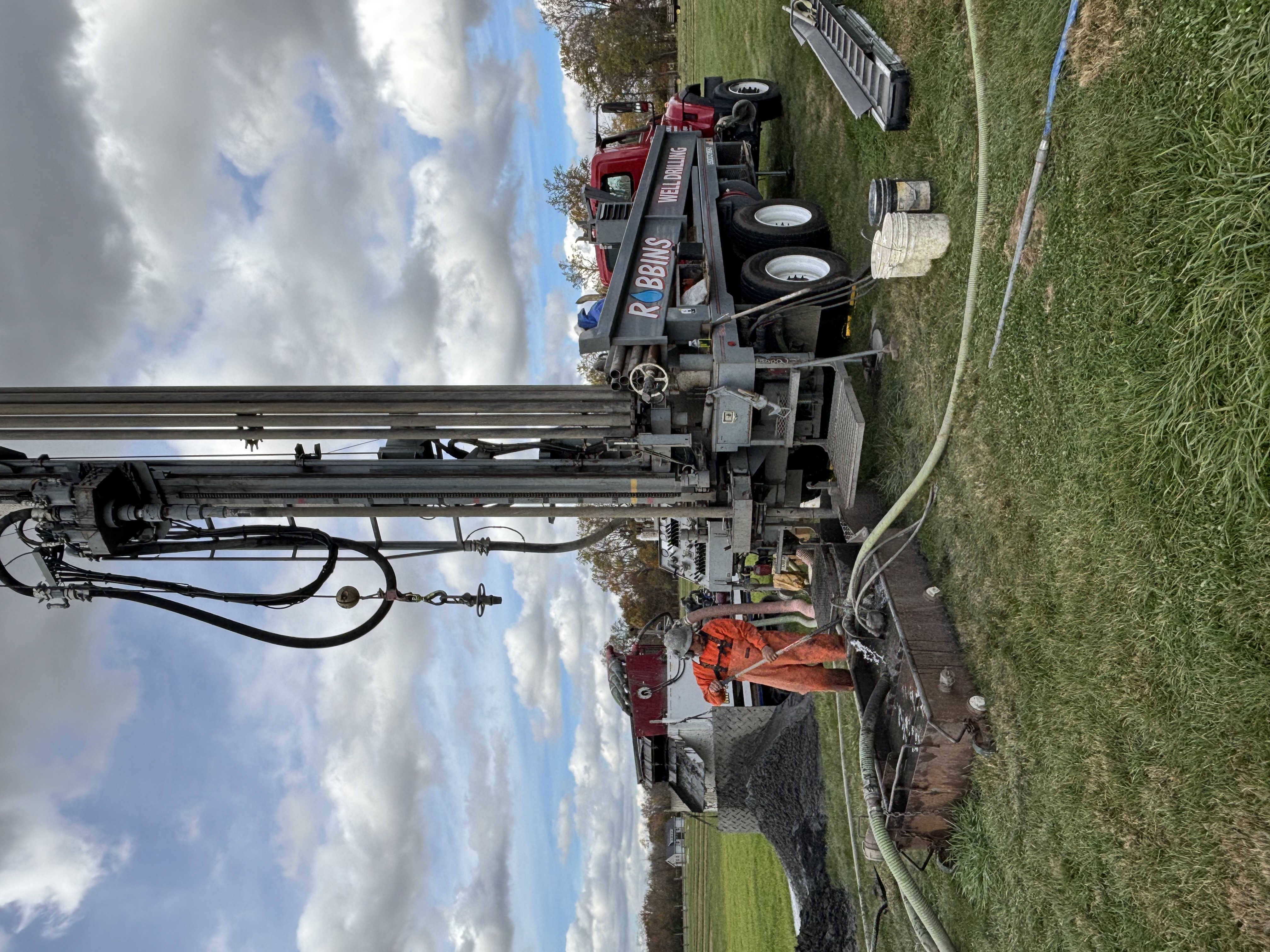
Robbins Water Service clean drilling setup
Why Your Choice of Well Driller Matters
A properly drilled well should last 50+ years and provide clean, safe water for your family. This only happens when the contractor follows proper procedures, uses quality materials, and understands local geology.
New Jersey has some of the strictest well drilling regulations in the country for good reason. Groundwater contamination is difficult and expensive to fix. A well drilled without proper grouting, sealed with the wrong materials, or placed in the wrong location can allow surface contaminants to seep into your drinking water.
The good news? Asking the right questions upfront helps you identify contractors who do the job right the first time.
The 10 Questions Every New Jersey Homeowner Should Ask
1Are You a Licensed Master Well Driller in New Jersey?
Why this matters: New Jersey requires well drillers to hold a Master Well Driller license. Which is the highest category available. This isn't just paperwork. It means the contractor has passed rigorous testing on geology, hydrology, well construction, and state regulations.
What to look for: Ask to see their license number and verify it with the New Jersey Department of Environmental Protection. Licensed Master Well Drillers like Robbins Water Service display their credentials and can provide proof immediately.
Unlicensed contractors might promise lower prices, but they're operating illegally and your well won't pass inspection. You could end up having to pay twice. Once for the illegal well, and again to have it done properly.
2How Long Have You Been Drilling Wells in This Specific Area?
Why this matters: Every region has unique geological conditions. South Jersey's sandy soils, water tables, and aquifer depths are completely different from North Jersey's bedrock formations. A driller experienced in your specific area knows:
- Typical well depths for your town
- Local soil composition and drilling challenges
- Where aquifers are located
- Common water quality issues
- Local permit requirements and inspectors
At Robbins, our knowledge of Burlington, Atlantic, and Gloucester County geology has been passed down through four generations. We know that wells in Medford typically reach 100-400 feet, while wells in Hammonton might go 50-450 feet. This local expertise means accurate cost estimates and no surprises.
3Do You Always Grout the Well? How Deep?
Why this matters: This is one of the most important questions most homeowners never think to ask. Grouting is the process of sealing the space between your well casing and the drilled hole with cement or bentonite grout. Without proper grouting, surface water, bacteria, and contaminants can seep down the outside of your well casing directly into your drinking water.
Critical Safety Issue: Some contractors skip grouting or only grout the top few feet to save time and money. This leaves your well vulnerable to contamination from surface runoff, septic systems, fertilizers, and road salt.
New Jersey regulations require grouting, but enforcement varies. At Robbins Water Service, we always grout every well from the surface down to the bottom. This creates a watertight seal that protects your water supply for decades.
Ask your driller: "How deep will you grout my well?" If they say anything other than the entire depth of the well, that's a red flag.
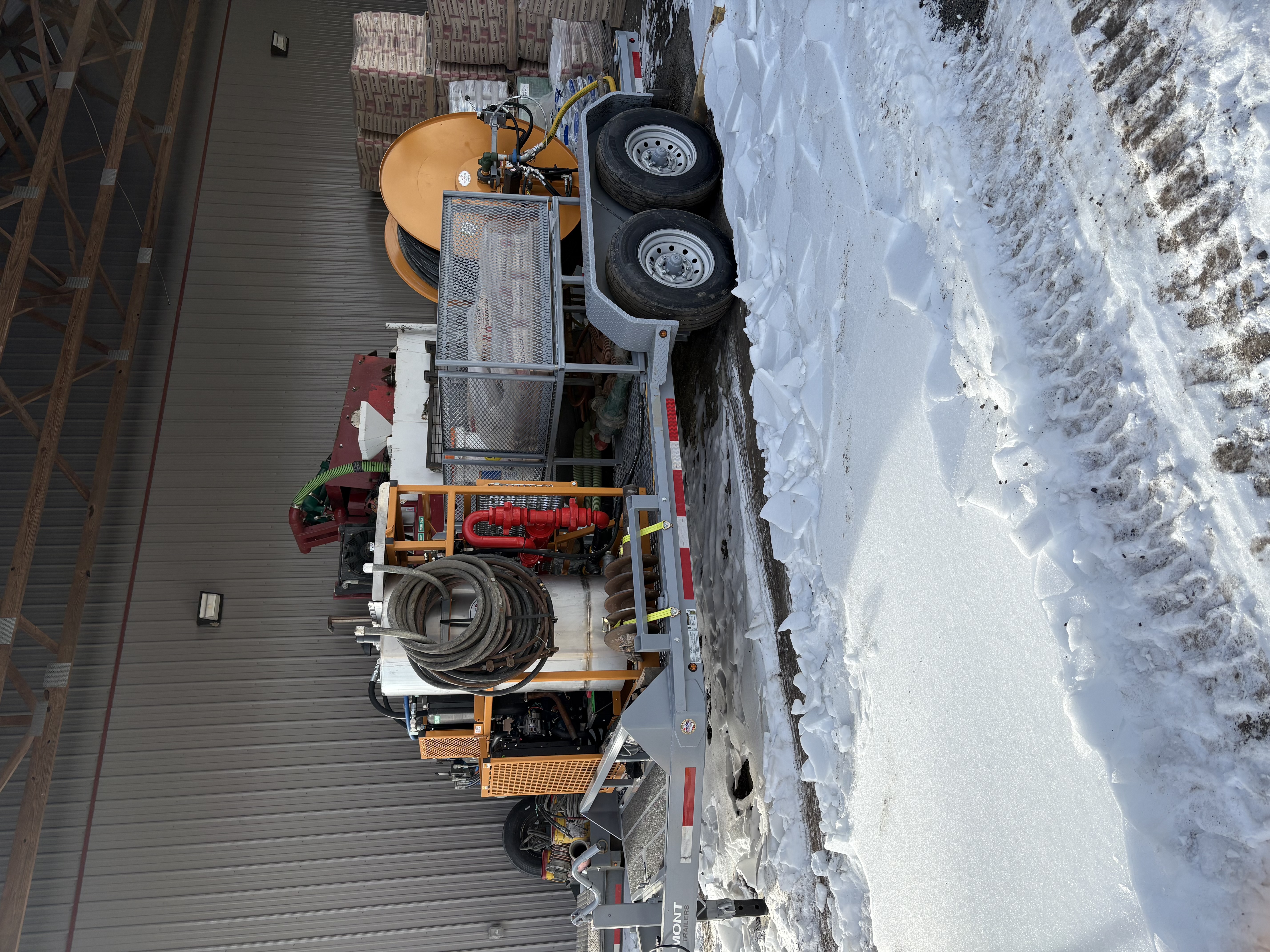
Robbins Water Service grouting equipment
4What Type of Fittings and Materials Do You Use?
Why this matters: The materials used in your well system directly affect water quality and system longevity. Here's what you need to know about common fitting materials:
Galvanized Steel: Older material that corrodes over time, releasing iron, zinc, and potentially lead into your water. Some contractors still use it because it's cheap.
Brass: Better than galvanized, but can contain lead (even "lead-free" brass can have trace amounts). Corrodes in acidic water conditions common in parts of New Jersey.
Copper: Good corrosion resistance, but expensive and can be affected by acidic water. May leach copper into water supply.
Stainless Steel: The gold standard. Doesn't corrode, doesn't leach any metals into your water, lasts indefinitely, and handles all water chemistry conditions.
Robbins Standard: We use stainless steel fittings exclusively throughout the entire well system--from the pitless adapter to the well cap to all connections. Yes, it costs more upfront. But it means you'll never have rust, corrosion, or metal contamination in your drinking water.
Ask your contractor: "Are ALL fittings stainless steel, or just some of them?" Many contractors use stainless steel for visible components but cheap galvanized parts underground where you can't see.
5Will You Handle All Permits and Inspections?
Why this matters: New Jersey requires permits before drilling and inspections after completion. The wrong contractor might expect you to handle this yourself or might drill without permits entirely.
Reputable contractors handle all permitting as part of their service. At Robbins, we manage the entire permit process, coordinate inspections, and ensure your well meets all state and local requirements. You shouldn't have to become an expert in New Jersey well regulations because that's our job.
6How Do You Minimize Environmental Impact During Drilling?
Why this matters: Well drilling can be messy. Drilling mud, cuttings, and water discharge need to be managed properly to protect your property and local waterways.
Professional drillers use containment systems, proper mud pits, and controlled discharge. We also use specialized equipment designed to minimize the drilling footprint and protect your landscaping.
Ask: "How do you handle drilling fluids and cuttings? Will you restore my property after drilling?" Get this in writing.
7What's Your Procedure for Well Development and Disinfection?
Why this matters: A newly drilled well contains drilling mud, sediment, and bacteria from the drilling process. Proper well development (pumping the well to remove debris) and disinfection (shock chlorination) are essential before the well can provide safe drinking water.
Some contractors rush this process or skip it entirely, leaving you with cloudy water or bacterial contamination.
Professional Standard: Wells should be developed until the water runs clear, then disinfected with chlorine, allowed to sit for 24 hours, and flushed completely. We also recommend water testing after installation to verify quality.
8Do You Provide a Detailed Written Contract?
Why this matters: A professional contract protects both you and the contractor. It should specify:
- Estimated well depth and drilling method
- Type of casing and materials to be used
- Grouting procedures and depth
- All fittings and components (specify stainless steel)
- Pump size and specifications
- Total cost and payment schedule
- Warranty on work performed
- What happens if adequate water isn't found
Be wary of contractors who want to start work with just a handshake or a vague estimate scribbled on paper.
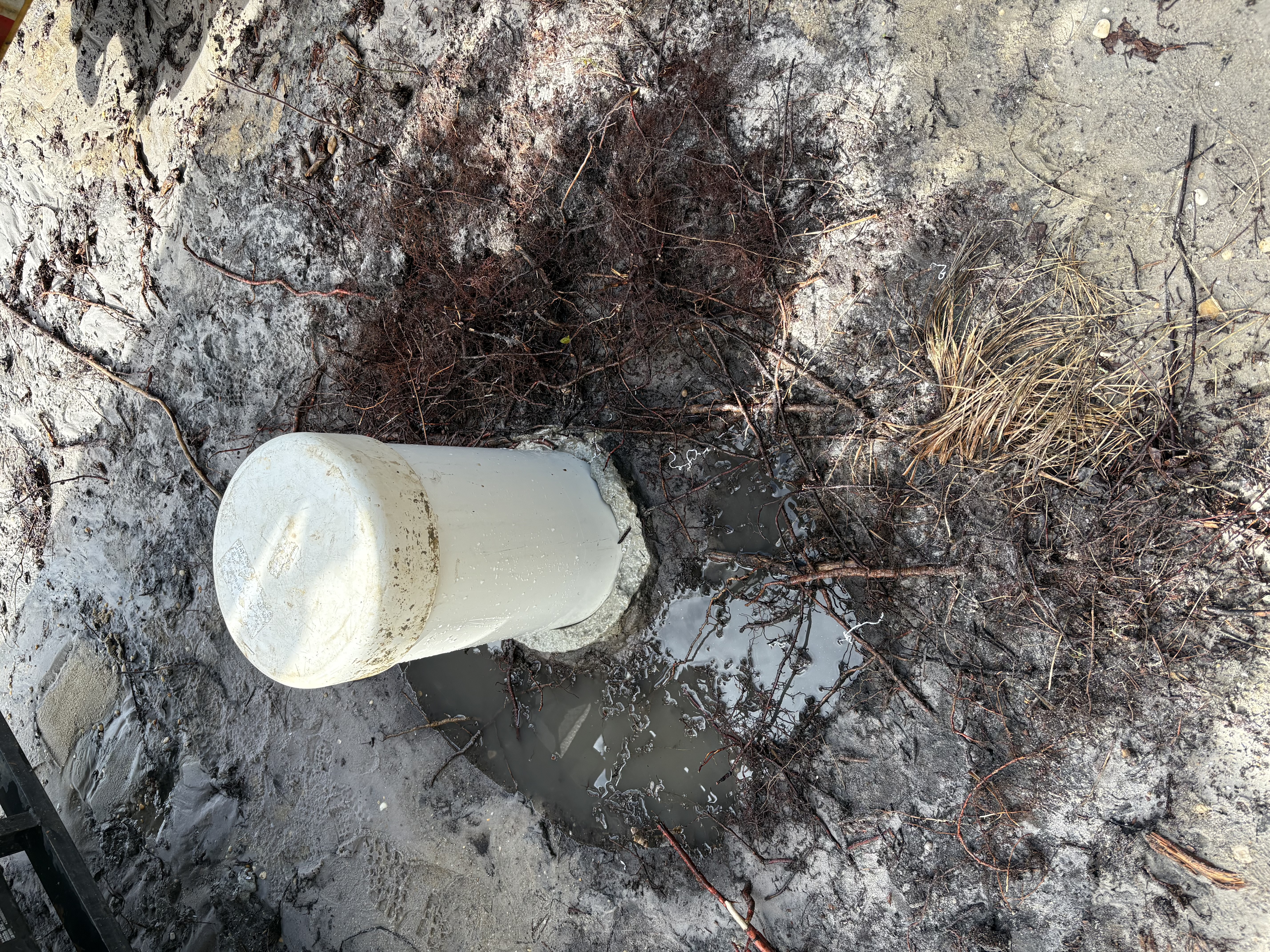
Properly grouted well, keeping your drinking water safe
9What Happens If You Don't Find Adequate Water?
Why this matters: While rare, it's possible to drill a well that doesn't produce enough water for your needs. You need to know upfront what the contractor's policy is.
Reputable contractors will discuss expected yields based on local geology and neighboring wells. They should also explain their policy if the well is low-producing. Will they drill deeper? Drill a second well? What are the costs?
At Robbins, our 114 years of local experience means we rarely encounter surprises. We can predict well yields with high accuracy based on your specific location and thousands of wells we've drilled in the area.
10Do You Provide Ongoing Service and Repairs?
Why this matters: Your relationship with your well driller doesn't end when the well is complete. Pumps fail, pressure tanks need replacement, and systems require occasional maintenance.
Contractors who only drill wells will refer you elsewhere for service. This creates problems when issues arise. Sometimes no one wants to service another company's work, and finger-pointing begins about who's responsible.
Full-Service Advantage: At Robbins Water Service, we handle everything from initial drilling to decades of ongoing service. Well repairs, pump replacements, pressure tank issues, water treatment; one company, one point of contact, complete accountability.
Red Flags to Watch For
Avoid contractors who:
- Can't provide a license number or say they're "working on getting licensed"
- Offer a price significantly lower than other bids (they're cutting corners somewhere)
- Pressure you to sign immediately or claim they have a "special deal today only"
- Won't provide references from local customers
- Are vague about grouting or say "we'll grout if needed"
- Can't explain what materials they use or refuse to put it in the contract
- Don't mention permits or inspections
- Have no physical business location or just operate from a cell phone
Why Local Experience Matters in New Jersey
New Jersey's geology varies dramatically from county to county. Atlantic County's coastal sand is nothing like Burlington County's. A contractor who drills wells all over might have general knowledge, but they won't have the deep local expertise that comes from drilling hundreds of wells in your specific area.
When Robbins drills a well in Medford, we know from experience that the aquifer is typically at 50-500 feet. We know the soil stratification. We know how much casing you'll need. We know what water quality issues to expect. This knowledge; earned over 114 years and passed down through four generation. Means accurate estimates, efficient drilling, and no surprises.
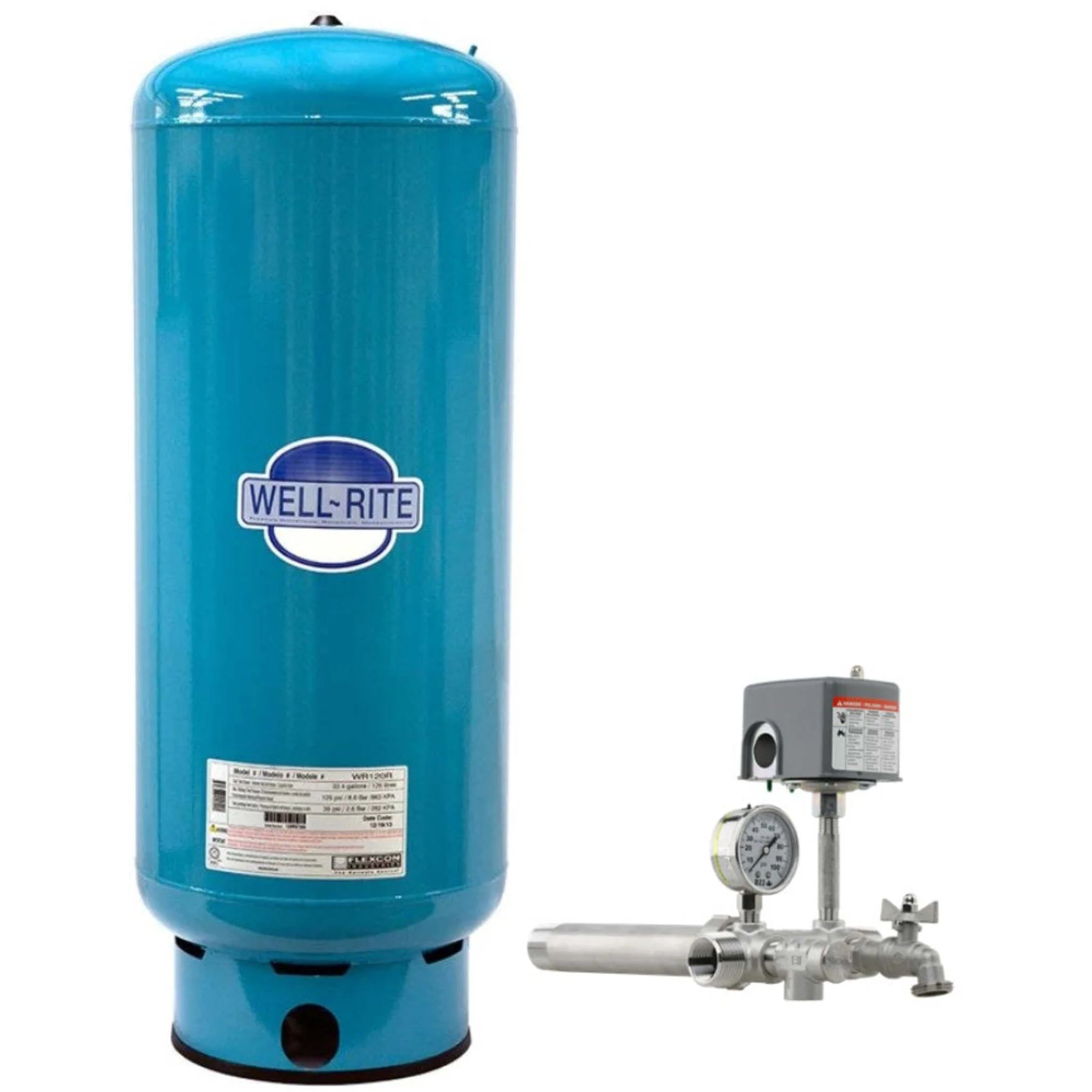
Tank installation materials used on every tank by Robbins Water Service
The Bottom Line: Quality vs. Price
The cheapest bid will always be tempting. But consider what you're actually paying for:
Cheap Well Drilling:
Minimal or no grouting, galvanized fittings that rust, rushed installation, no ongoing service relationship, potential water contamination, costly repairs within years.
Professional Well Drilling:
Complete grouting to bottom of the well, all stainless steel fittings, proper development and disinfection, licensed and insured, ongoing service partnership, safe water for 50+ years.
The difference in price? Often just $1,000-$2,000. The difference in value? Decades of safe, clean water versus potential contamination and expensive repairs.
Ready to Discuss Your Well Drilling Project?
Phone: 609-268-2040
Location: 146 Stokes Road, Shamong, NJ 08088
Licensed Master Well Drillers serving Central and South New Jersey since 1910. We'll answer every question, provide a detailed written estimate, and stand behind our work for decades to come.
About Robbins Water Service
Family-owned and operated since 1910, Robbins Water Service holds New Jersey's highest well drilling license category (Master Well Driller). We specialize in residential and commercial well drilling, geothermal systems, well and pump repair, and water treatment throughout all of south and central jersey. Every well we drill includes complete grouting, stainless steel fittings, and decades of service partnership.